
 Owen
Owen 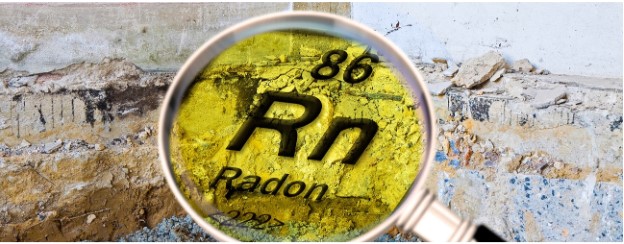
Radiation is an invisible threat that can affect health in subtle ways. One common source of natural radiation in homes and workplaces is radon gas. Radon is a colorless, odorless gas that comes from the natural breakdown of uranium in soil, rock, and water. Because it is invisible, many people do not realize the risks it can pose. Over time, exposure to radon can increase the chances of developing lung cancer. Detecting this hidden danger is crucial, and one effective method is through radon flux measurements. These measurements help scientists and safety experts understand how radon moves from the ground into buildings and the environment.
What is Radon Flux?
Radon flux is a measure of the rate at which radon gas is released from the soil into the air. It provides important information about how much radon is entering a particular area. Unlike simple radon concentration tests that measure the gas in indoor air at one point in time, radon flux measurements give a deeper understanding of the source of radon and its movement. This makes it possible to detect areas where radiation risks may be higher, even if the radon levels in the air appear normal at first glance.
How Radon Flux Measurements Are Taken
Measuring radon flux involves placing specialized detectors over soil or building surfaces to capture the gas as it escapes. These detectors can be passive, collecting radon over a period of days or weeks, or active, providing real-time measurements. Scientists often use a combination of both types to ensure accurate results. The data collected helps create maps of radon emission patterns, showing areas where radon levels are likely to be elevated. By identifying the sources and movement of radon, professionals can better predict where radiation risks may occur.
Detecting Hidden Radiation Risks
Many homes and buildings can have hidden radon problems that are not obvious. Radon flux measurements help uncover these hidden risks. For example, even if indoor air tests show safe radon levels, the underlying soil may release radon at a high rate. This gas can slowly accumulate over time, posing long-term health risks. Radon flux measurements detect the areas where radon is entering buildings, allowing for early intervention before dangerous levels build up. This proactive approach is essential for maintaining safe living and working environments.
Importance in Public Health
Radon exposure is a major public health concern because it is a leading cause of lung cancer among non-smokers. By using radon flux measurements, authorities can identify regions with high radon potential and take preventive measures. These measurements inform construction practices, such as improved ventilation and barriers in building foundations, reducing radon entry. Additionally, radon flux data can guide regulations and public health campaigns, helping communities stay informed about the risks and solutions associated with radon exposure.
Advantages of Radon Flux Measurements
Radon flux measurements provide several advantages over other monitoring methods. They give detailed information about the source of radon, not just the concentration in a specific location. This allows for more targeted mitigation efforts, saving time and resources. Furthermore, flux measurements can detect changes in radon release caused by environmental factors, such as rainfall or soil movement. Understanding these patterns helps predict when radon levels may increase, offering better protection for people in affected areas.
Challenges in Measurement
Despite their benefits, radon flux measurements can be challenging. The process requires careful placement of detectors and consistent monitoring over time. Soil composition, temperature, and moisture can affect radon release, making accurate measurement more complex. However, advances in technology and research methods continue to improve the reliability of these measurements, making them an essential tool for radiation risk assessment.
Conclusion
Radon is an invisible and potentially dangerous gas, and its risks are often hidden beneath the ground. Radon flux measurements are a professional and reliable method for detecting where radon is released and understanding its movement. By using these measurements, scientists and public health officials can identify hidden radiation risks, implement safety measures, and protect communities from long-term health problems. In a world where invisible threats can have serious consequences, radon flux measurements provide a clear and effective way to reveal and manage hidden radiation risks.
